What Are Keywords? Meaning, Types, Examples & How They Work in SEO (2026 Guide)
Written by OctaAds Media Team
comments 0
When you search for something on Google, whether it’s “best laptop under ₹50,000”, “how to start a blog”, or “SEO agency near me”, you’re using keywords. These words or phrases help search engines understand what you’re looking for and show the most relevant results.
If you own a website, run an online business, or work in digital marketing, understanding keywords is one of the first skills you should learn. The right keywords help your content reach people who are actively searching for your products, services, or information.
Over the years, we’ve worked on SEO campaigns across different industries. One lesson has remained the same: websites don’t rank because they publish more content—they rank because they create content around the right keywords and match what users actually want to find.
In this guide, you’ll learn:
What keywords are
Why keywords matter
How search engines use keywords
Different types of keywords
Real keyword examples
Search intent and why it’s important
Website keywords vs SEO keywords
SEO keywords vs PPC keywords
Best practices for choosing keywords
Whether you’re new to SEO or looking to improve your content strategy, this guide will help you understand keywords in a simple and practical way.
What Are Keywords?
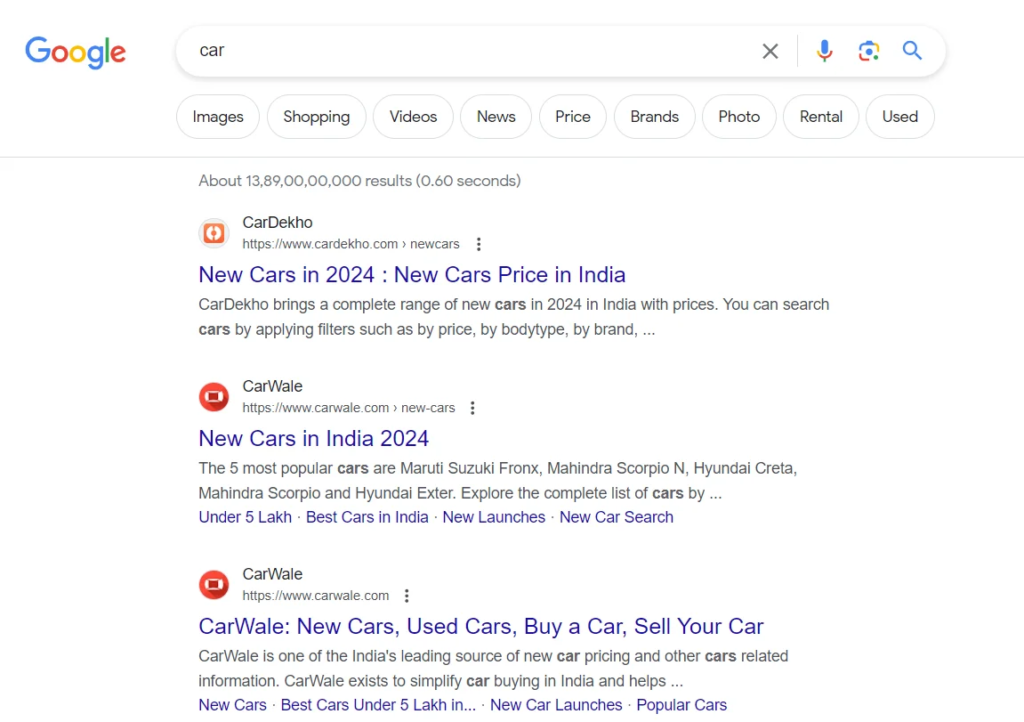
A keyword is a word or phrase that people type into search engines like Google, Bing, or even AI-powered search tools to find information, products, or services.
For example:
User Searches
Keyword
What is SEO?
what is seo
Best running shoes
best running shoes
Digital marketing agency
digital marketing agency
iPhone 17 price
iphone 17 price
Hotels in Goa
hotels in goa
Every search starts with a keyword.
Search engines use these keywords to understand the user’s query and find webpages that best answer it.
For website owners, keywords tell Google what each page is about. When your content matches what users are searching for, your chances of appearing in search results increase.
Keyword Meaning in Simple Words
Think of keywords as the bridge between users and websites.
People ask questions or search for products using keywords.
Search engines analyze those keywords.
Then they display the pages they believe provide the best answer.
For example:
A user searches:
“How to improve website speed”
Google looks through billions of webpages and tries to find pages that explain website speed optimization.
If your article covers that topic well, Google may show your page.
That’s why choosing the right keyword before writing content is so important.
Why Are Keywords Important?
Keywords help search engines understand your content.
Without them, Google would struggle to know whether your page is about SEO, digital marketing, fitness, travel, or cooking.
From our experience managing SEO campaigns, we’ve found that many websites don’t have a content problem—they have a keyword strategy problem.
Some target keywords that are too competitive.
Others choose keywords that don’t match what their audience is searching for.
A well-planned keyword strategy helps you:
Reach the right audience
Improve organic traffic
Increase search visibility
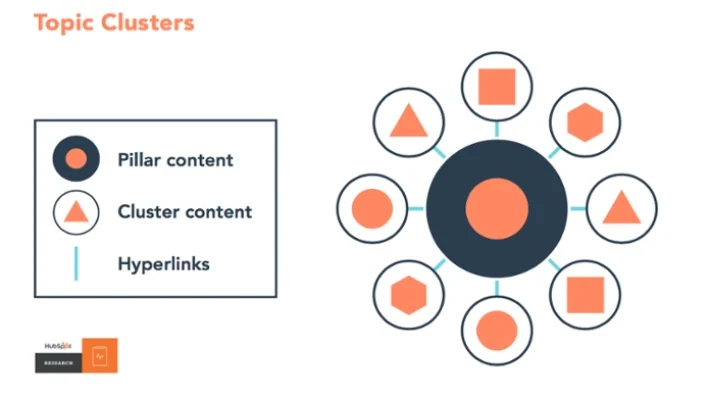
Build topical authority
Generate qualified leads
Improve conversions
Instead of attracting random visitors, keywords help you attract people who are already interested in your topic.
How Do Search Engines Use Keywords?
When someone searches on Google, several things happen in a fraction of a second.
Step 1: User enters a search query
For example:
best email marketing software
Step 2: Google understands the meaning
Google doesn’t just look for the exact words anymore.
It tries to understand what the user actually wants.
Is the user:
Comparing tools?
Looking for reviews?
Ready to buy?
Looking for free software?
This is called search intent.
Step 3: Google matches relevant pages
Google analyzes millions of pages based on factors like:
Content quality
Relevance
User experience
Website authority
Freshness
Helpful information
Pages that best answer the user’s question have a better chance of ranking.
This is why modern SEO is no longer about repeating keywords—it is about answering the user’s question better than anyone else.
Different Types of Keywords
Not every keyword serves the same purpose.
Understanding different keyword types helps you create content for every stage of the customer’s journey.
1. Short-Tail Keywords
These contain one or two words.
Examples:
SEO
Shoes
Hosting
Laptop
Advantages:
High search volume
Good brand visibility
Disadvantages:
Very competitive
Search intent is often unclear
2. Long-Tail Keywords
These contain three or more words.
Examples:
best SEO tools for beginners
affordable digital marketing agency
how to improve website speed
Long-tail keywords usually have lower search volume but attract more targeted visitors.
In many SEO projects, we’ve seen long-tail keywords bring better conversions because users searching these phrases already know what they need.
3. Informational Keywords
Users want to learn something.
Examples:
What are keywords?
How does SEO work?
What is Google Search Console?
These are ideal for blogs and educational content.
4. Navigational Keywords
Users already know where they want to go.
Examples:
Facebook login
Gmail
Google Analytics
These searches are about reaching a specific website.
5. Commercial Keywords
Users are comparing products or services.
Examples:
Best CRM software
Ahrefs vs Semrush
Shopify review
These keywords are perfect for comparison articles and product reviews.
6. Transactional Keywords
Users are ready to take action.
Examples:
Buy running shoes
Hire SEO agency
Purchase web hosting
These usually convert better because the user is closer to making a decision.
Understanding Search Intent
One of the biggest SEO mistakes is writing content without understanding why someone searched for a keyword.
Google wants to show pages that match the user’s intent.
For example, someone searching:
“What are keywords”
doesn’t want:
SEO services
Product pages
Sales content
They want a simple explanation.
Likewise, someone searching:
“Best keyword research tools”
expects comparisons, pricing, features, and recommendations.
Always ask yourself:
What problem is this person trying to solve?
If your content answers that question clearly, you’re much more likely to rank.
Website Keywords Explained
Website keywords are the main words or phrases that each page on your website targets.
For example:
Page
Target Keyword
Homepage
Digital Marketing Agency
SEO Service Page
SEO Services
PPC Page
Google Ads Management
Blog
What Are Keywords
Contact Page
Contact Digital Marketing Agency
Each page should focus on one primary topic.
Trying to optimize a single page for dozens of unrelated keywords often confuses both users and search engines.
Keyword Examples
Let’s look at examples from different industries.
Industry
Example Keywords
Digital Marketing
SEO services, content marketing, Google Ads agency
Travel
Best places to visit in Goa, budget hotels in Jaipur
Healthcare
Best dentist near me, symptoms of vitamin D deficiency
E-commerce
Buy wireless headphones, men’s sports shoes
Education
Online coding courses, digital marketing certification
Real Estate
Flats for sale in Noida, property investment tips
Notice how every keyword reflects something users are actively searching for.
That’s exactly what your content should answer.
SEO Keywords vs PPC Keywords
Although SEO and PPC both use keywords, their purpose is different.
SEO Keywords
PPC Keywords
Used to rank organically
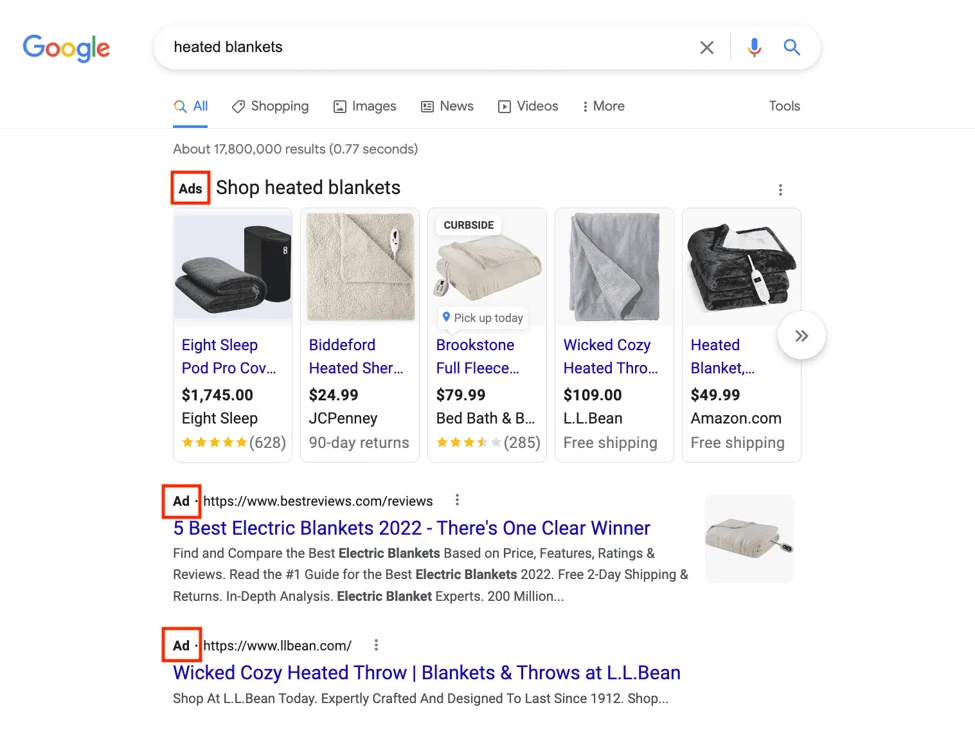
Used in paid advertisements
Results build over time
Results appear immediately after launching ads
No cost for each click
You pay when someone clicks
Focus on long-term growth
Focus on immediate traffic
For many businesses, combining both strategies works well.
SEO helps build sustainable traffic, while PPC can generate leads quickly for important products or campaigns.
How to Find the Right Keywords for Your Website
Finding keywords isn’t about choosing the terms with the highest search volume. It’s about finding the words your audience is actually using and creating content that answers their questions.
Over the years, we’ve seen websites spend months targeting highly competitive keywords without getting results. On the other hand, websites that focused on specific, relevant topics often started ranking much faster because they matched what users wanted.
Here’s a simple process that works for most websites.
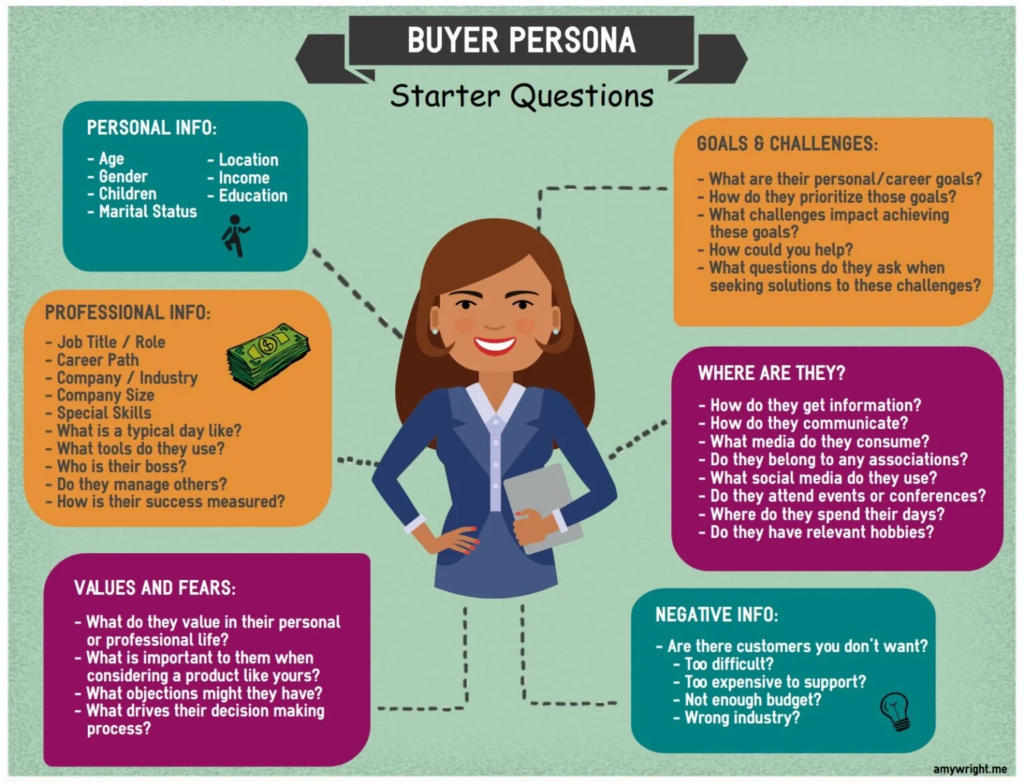
1. Start with Your Audience
Before opening any keyword research tool, ask yourself:
What problems does my audience want to solve?
What questions do they ask before buying?
What products or services are they searching for?
What information would help them make a decision?
For example, if you run a digital marketing agency, your audience might search for:
What is SEO?
How much does SEO cost?
Best SEO agency
Local SEO services
Google Ads management
Website SEO audit
These are your starting points.
2. Use Keyword Research Tools
Once you have a few ideas, use keyword research tools to expand your list.
Some of the most reliable tools include:
Tool
Best For
Google Keyword Planner
Free keyword ideas and search volume
Google Search Console
Keywords your website already ranks for
Ahrefs
Keyword difficulty and competitor analysis
Semrush
Complete SEO and keyword research
Ubersuggest
Beginner-friendly keyword suggestions
Google Autocomplete
Real searches people type into Google
If you’re just starting, Google Keyword Planner and Google Search Console are more than enough to build a strong keyword strategy.
3. Check Search Volume
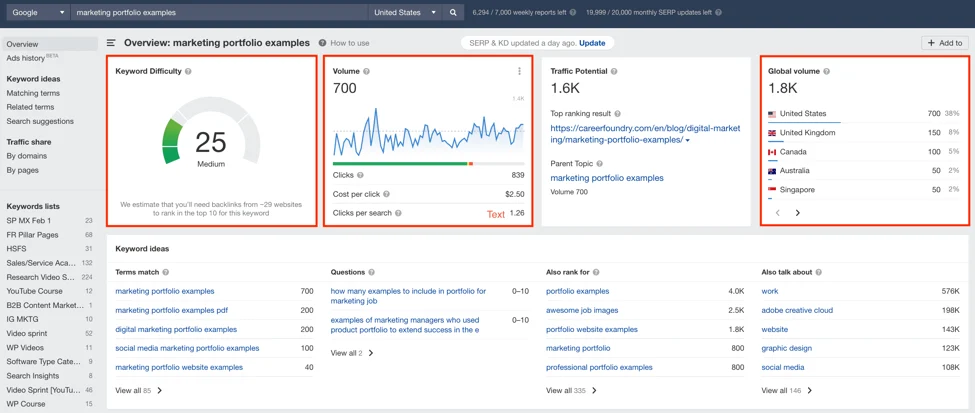
Search volume tells you how many people search for a keyword each month.
For example:
Keyword
Monthly Searches
SEO
100,000+
SEO services
12,000
What are keywords
3,000
Keyword research for beginners
400
Higher search volume can mean more traffic, but it also usually means more competition.
Instead of chasing only high-volume keywords, try balancing search volume with relevance and competition.
4. Understand Keyword Difficulty
Keyword difficulty estimates how hard it is to rank for a keyword.
Generally:
Low difficulty: easier for new websites
Medium difficulty: suitable for growing websites
High difficulty: usually dominated by established brands
A keyword with moderate search volume and low competition often brings better results than a highly competitive keyword.
5. Match Search Intent
Every keyword has a purpose.
For example:
Keyword: “What are keywords”
The user wants an explanation.
Keyword: “Best keyword research tools”
The user wants comparisons and recommendations.
Keyword: “Hire SEO agency”
The user is looking for a service.
Creating the wrong type of content for a keyword is one of the biggest reasons pages fail to rank.
What Is Keyword Mapping?
Keyword mapping means assigning one primary keyword to each important page on your website.
Instead of optimizing multiple pages for the same keyword, every page should have its own clear focus.
For example:
Website Page
Primary Keyword
Homepage
Digital Marketing Agency
SEO Service
SEO Services
Google Ads Page
Google Ads Management
Blog
What Are Keywords
Blog
Keyword Research Guide
Contact Page
Contact SEO Agency
This makes it easier for search engines to understand your website and reduces keyword cannibalization.
Common Keyword Mistakes to Avoid
Many websites don’t struggle because of poor content—they struggle because of avoidable SEO mistakes.
Targeting Too Many Keywords
Trying to rank one page for twenty different topics usually doesn’t work.
Instead, focus on one primary keyword and a few closely related terms.
Ignoring Search Intent
A page targeting “what are keywords” should educate readers, not promote SEO services.
Always create content that matches the user’s goal.
Keyword Stuffing
Years ago, repeating a keyword many times could improve rankings.
Today, it usually does the opposite.
Instead of writing:
Keywords are important because keywords help websites rank with keywords.
Write naturally.
Use related words and explain the topic thoroughly.
Google understands context much better than exact repetition.
Choosing Keywords Only by Search Volume
A keyword with 50,000 monthly searches isn’t always better than one with 500 searches.
Smaller, targeted keywords often bring visitors who are more likely to engage or convert.
Not Updating Content
Search trends change over time.
Review your important articles every few months to:
Add new information
Update screenshots
Improve examples
Answer new user questions
Refresh statistics
Regular updates show that your content is current and helpful.
Are Keywords Still Important in 2026?
Yes—but the way search engines use them has changed.
Modern search engines don’t just match exact words. They try to understand the meaning behind a search.
For example, Google knows these searches are closely related:
What are keywords?
Keyword meaning
Define keyword
What is a keyword in SEO?
You don’t need separate articles for each variation. One well-written guide that answers the topic completely can rank for many related searches.
This is why modern SEO focuses on topics, entities, and user intent, rather than repeating the same phrase over and over.
Keywords and AI Search
With AI-powered search experiences becoming more common, creating helpful content is more important than ever.
Whether someone searches using Google AI Overviews, ChatGPT, Bing Copilot, or another AI assistant, the goal is the same: provide a clear, accurate answer.
Content that performs well typically has these qualities:
Answers the main question early.
Explains concepts in simple language.
Includes practical examples.
Covers related questions naturally.
Uses clear headings and structure.
Demonstrates expertise through useful insights rather than exaggerated claims.
Instead of writing only for search engines, write for people first. Helpful content is more likely to be recommended by both traditional search engines and AI-powered search tools.
Best Practices for Using Keywords
Follow these simple practices to make your content more effective:
Choose one primary keyword for each page.
Include the keyword naturally in the page title and main heading.
Use related terms where they fit naturally.
Write for users before search engines.
Cover the topic in depth instead of repeating the same phrase.
Add examples, tables, and visuals when they improve understanding.
Link to related articles on your website.
Keep your content updated as search trends change.
Remember, keywords should guide your writing—not control it.
Frequently Asked Questions
What is a keyword?
A keyword is a word or phrase people enter into search engines to find information, products, or services.
Why are keywords important?
Keywords help search engines understand your content and connect it with users searching for that topic.
What are website keywords?
Website keywords are the main search terms each webpage is optimized to rank for.
What is keyword research?
Keyword research is the process of finding the words and phrases your target audience uses in search engines.
What is a long-tail keyword?
A long-tail keyword is a longer, more specific search phrase, such as “best keyword research tools for beginners.”
What is keyword difficulty?
Keyword difficulty estimates how challenging it may be to rank for a specific keyword based on competition.
What is search intent?
Search intent is the reason behind a user’s search. It explains what they want to achieve, such as learning something, comparing options, or making a purchase.
How many keywords should I use on a page?
Most pages should focus on one primary keyword along with a few naturally related terms. Prioritize comprehensive coverage over repetition.
Can one page rank for multiple eywords?
Yes. A well-structured page can rank for many related keyword variations if it thoroughly covers the topic and satisfies user intent.
Are keywords still important for SEO?
Yes. Keywords remain a core part of SEO, but modern search engines focus more on context, relevance, and content quality than exact keyword repetition.
Final Thoughts
Keywords are the foundation of every successful SEO strategy, but they’re only the starting point. Simply adding keywords to a page isn’t enough to achieve long-term rankings.
The websites that consistently perform well are those that understand what their audience is searching for, create genuinely helpful content, and keep it updated over time.
When planning your next article or landing page, don’t begin by asking, “What keyword should I use?” Instead, ask, “What question is my audience trying to answer?” Then use keyword research to understand how people search for that answer.
By combining thoughtful keyword research with high-quality content, a good user experience, and regular updates, you’ll build pages that are useful for readers and easier for search engines to understand. That’s a strategy that continues to work as search evolves.



Leave A Comment